
From the Field: What Water Work Really Looks Like

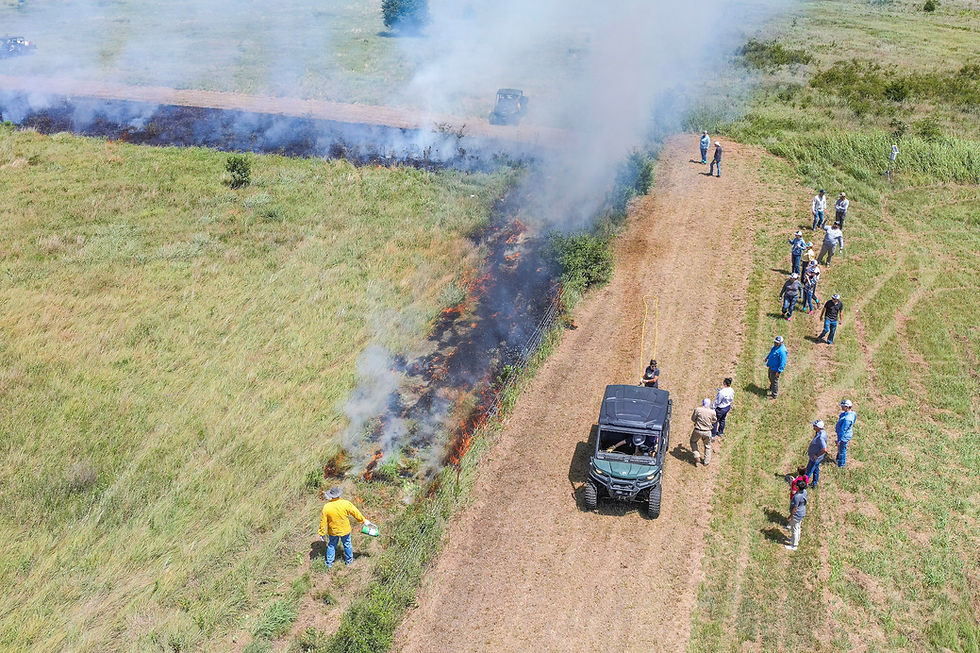
Water work rarely happens in one place. While research labs and offices play an important role, much of the work begins in the field. It happens along streambanks, near treatment plants, and across watersheds where water systems intersect with land and communities.
Fieldwork allows the Oka’ Institute to better understand how water systems function in real-world conditions. It provides context that maps and models alone cannot capture. Observing erosion, flood exposure, or infrastructure placement helps connect scientific data to what is actually happening on the ground.
Field visits are also where relationships are built. Conversations with local leaders, landowners, operators, and partners often reveal challenges and opportunities that data alone cannot show. These perspectives help ensure that recommendations are realistic, locally informed, and tailored to each community’s needs.
By combining field observations with scientific analysis, Oka’ works to bridge the gap between research and application. Fieldwork helps ensure that planning efforts are grounded in both data and lived experience, resulting in solutions that are practical and effective.
Water sustainability is deeply connected to place. No two communities face the same challenges, and no single solution fits every situation. Understanding those differences starts with being present, listening, and learning in the field.


Comments